EVERBLOOM
Integrative massage
At EverBloom, integrative care exists in response to the gaps many people experience in conventional healthcare. Clients often arrive carrying not only physical pain, but stress, trauma, exhaustion, and a sense of disconnection from their bodies. Integrative care acknowledges that these experiences are deeply intertwined. Instead of treating symptoms in isolation, care is guided by curiosity and deep listening, with the intention of understanding underlying patterns and supporting long-term wellbeing.
EverBloom’s integrative framework draws from a range of modalities, including therapeutic massage, trauma-informed relaxation techniques, subtle bodywork, craniosacral therapy, energy-based practices, and creative approaches to care. These modalities are not used to replace conventional medicine, but to complement it-bridging the strengths of allopathic care with holistic traditions that honor the body’s innate wisdom. This balanced approach supports both immediate relief and deeper, more sustainable change.
Equally important is the belief that healing does not begin and end in a treatment room. Integrative care at EverBloom extends into education, self-support tools, and gentle practices clients can carry into their daily lives. The goal is not dependency, but empowerment. Ita about guiding individuals to build a more trusting relationship with their bodies and their own capacity for care.
At its core, integrative care at EverBloom is about possibility. It is about creating space for rest in a world that often demands constant output, and about reclaiming joy as an essential part of healing. Through thoughtful integration, compassionate presence, and collaborative care, EverBloom offers a healing experience that is not only effective, but deeply human.
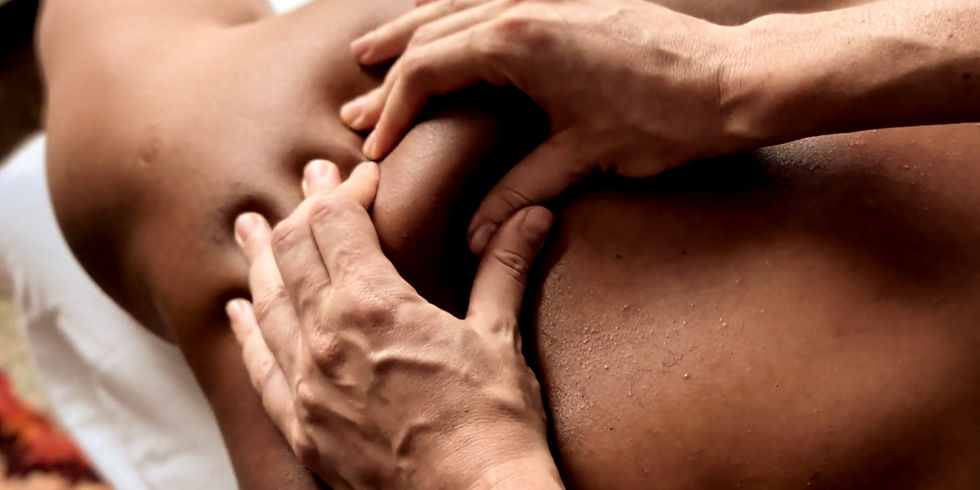
This type of massage works to creates space and length within the muscles and connective tissues, supporting relief, ease, and lasting change throughout the body. This work is focused and slow, moving into the deep layers of the body. Treatment includes trigger point therapy, fascial manipulation, and firm consistent pressure.

Also known as Swedish massage, these techniques guide the body into deep states of relaxation. Techniques include long smooth strokes, kneading, and glides.

This subtle yet profound therapy uses light pressure to gently engage the fascial networks and cranial bones, supporting the natural flow of cerebrospinal fluid within the central nervous system. Rooted in deep listening and intention, this gentle work can create meaningful and lasting therapeutic change.
This type of massage works to creates space and length within the muscles and connective tissues, supporting relief, ease, and lasting change throughout the body. This work is focused and slow, moving into the deep layers of the body. Treatment includes trigger point therapy, fascial manipulation, and firm consistent pressure.
Common conditions we work with :
-
Migraines and Headaches
-
Insomnia
-
Chronic pain
-
Stress reduction in those with cancer
-
Low back pain
-
Depression
-
TMJD (temperomandibular joint disorder)
-
Anxiety
-
Hyperactive nervous system
-
Limited range of motion in joints
-
Nausea due to chemotherapy
-
Osteoathritis
-
Improve quality of life in hospice care
-
Piriformis syndrome and Siatica
-
Thoracic outlet syndrome
-
Post-operative pain
-
Increased sense of well-being